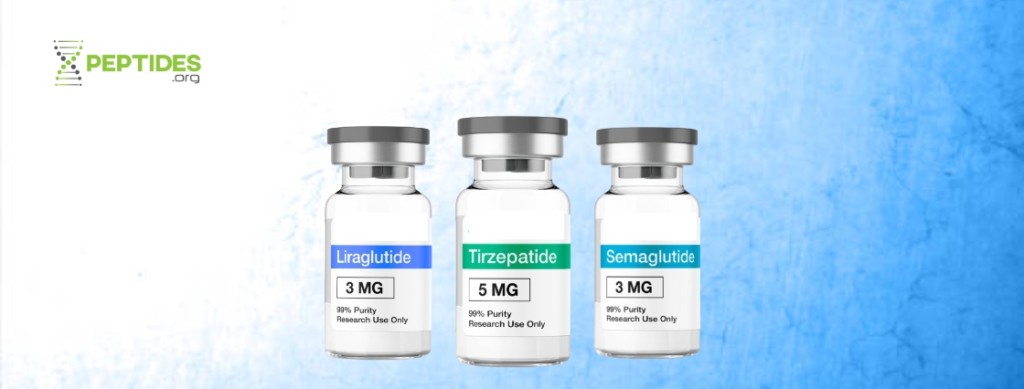
Recognizing Peptide Purity: What 99%+ Truly Implies
Peptide Pureness & Quantitation Testing If a peptide is re-tested after storage space anxiety, Biotechnology HPLC can disclose whether new impurity optimals have shown up or whether the major optimal location has actually declined. This attaches straight with managing topics such as peptide storage space and peptide reconstitution. Independent, third-party testing plays an essential duty in making sure neutrality and accuracy. By utilizing outside labs for confirmation, suppliers get rid of prejudice and promote scientific integrity. Documentation transparency stays an important factor during provider analysis. Pureness screening information is often summarized within a Certification of Analysis (COA). One typical false impression is that an extremely pure peptide will always dissolve right away. Nootropic peptides like Semax and Selank impact main nerve system function. The risks of utilizing infected or misidentified products in cognitive applications require verification investment. Peptides like ipamorelin and sermorelin stimulate all-natural hormone manufacturing. Purity issues because impurities may have their very own biological activity, confounding results.
Learning to identify red flags shields you from deceptiveness.
Third-party lab validation can substantially assist in this compliance process.
HPLC divides peptides based on their communications with a fixed stage, enabling contaminations and by-products to be recognized and quantified.
A validated peptide distributor offers batch-specific COAs connected to vial lot numbers, with interpretable analytical outcomes, generally including HPLC purity profiling and mass spectrometry identity confirmation.
In addition to HPLC and MS, specialized laboratories might employ orthogonal strategies for added accuracy.
What Is The Distinction In Between Hplc Purity And Mass Spectrometry Confirmation?
It works as a suggestion and lawful disclaimer that the product is not a therapeutic or palatable. Trusted peptide vendors always note their products in this manner and offer high quality reports with HPLC and MS data to support the purity level. As long as you get peptides from a trusted resource that provides a full certification of analysis, you can be confident in the peptide's pureness quality and use scope. When you see peptides promoted as "research-grade," it refers to their meant use and the level of producing oversight.
What Is Peptide Screening?
These fragments are typically smaller than the target peptide and might elute at various retention times. HPLC can reveal the visibility of extra optimals; LC-MS can assist appoint likely identities to those related varieties. Amino acid evaluation or other quantitative methods can sustain outright material. Chiral approaches can deal with enantiomeric purity where stereochemistry is a concern. Residual-solvent or water-content examinations can matter in production or stability contexts. These are beneficial in the best setting, but they should be taken method-specific evidence instead than a global replacement for HPLC and MS.
Is 95% purity great for peptides?
Peptides with an 85% purity level or better are typically made use of in enzyme assays or biological activity studies. Peptides with purity greater than 95% are superb for quantitative evaluation.
What Hplc Can Not Verify Alone
This is because HPLC just records peptide relevant material, and therefore the 1% recurring is made up just of peptide-related impurities. Some labs (e.g., Janoshik) provide mathematical purity records without chromatogram photos. A lack of chromatogram does not revoke the outcomes, rather it is a feature of how they present outcomes to customers. Nevertheless, as an ideal method we recommend asking a brand-new tester for the chromatogram data to ensure it matches what they have actually supplied in the test outcome. Reliable vendors make use of independent, third-party laboratories to generate COAs. Third-party testing eliminates conflict of rate of interest and offers the scientist honest, empirical information-- not marketing cases. Peptide screening is the collection of analytical checks made use of to examine a peptide example before it is made use of in a research workflow. In practical COA testimonial, the term generally refers to pureness testing, identification testing, and documents evaluation. Pureness testing asks how much of the identified sample is the main peptide versus relevant pollutants. Identity testing asks whether the gauged mass or sequence-related evidence matches the designated peptide. Paperwork review asks whether the record is batch-specific, deducible, and outlined sufficient to be audited. While not shills for "huge pharma", we extremely respect the enormous financial investment they make right into science, quality control, and quality assurance to lessen these risks for pharmaceutical drug users. PT-141 A solitary HPLC approach can not and will certainly not determine and quantify everything that is in a blend in one pass; it simply does not function by doing this. Actually, no qualitative or measurable analytical approach (LC, MS, FTIR, NIR) can do what customers regard as the purity outcome on certifications of evaluation today. Yet keep in mind, these two tops do not stand for all feasible impurities, excipents, or other chemicals in the product.